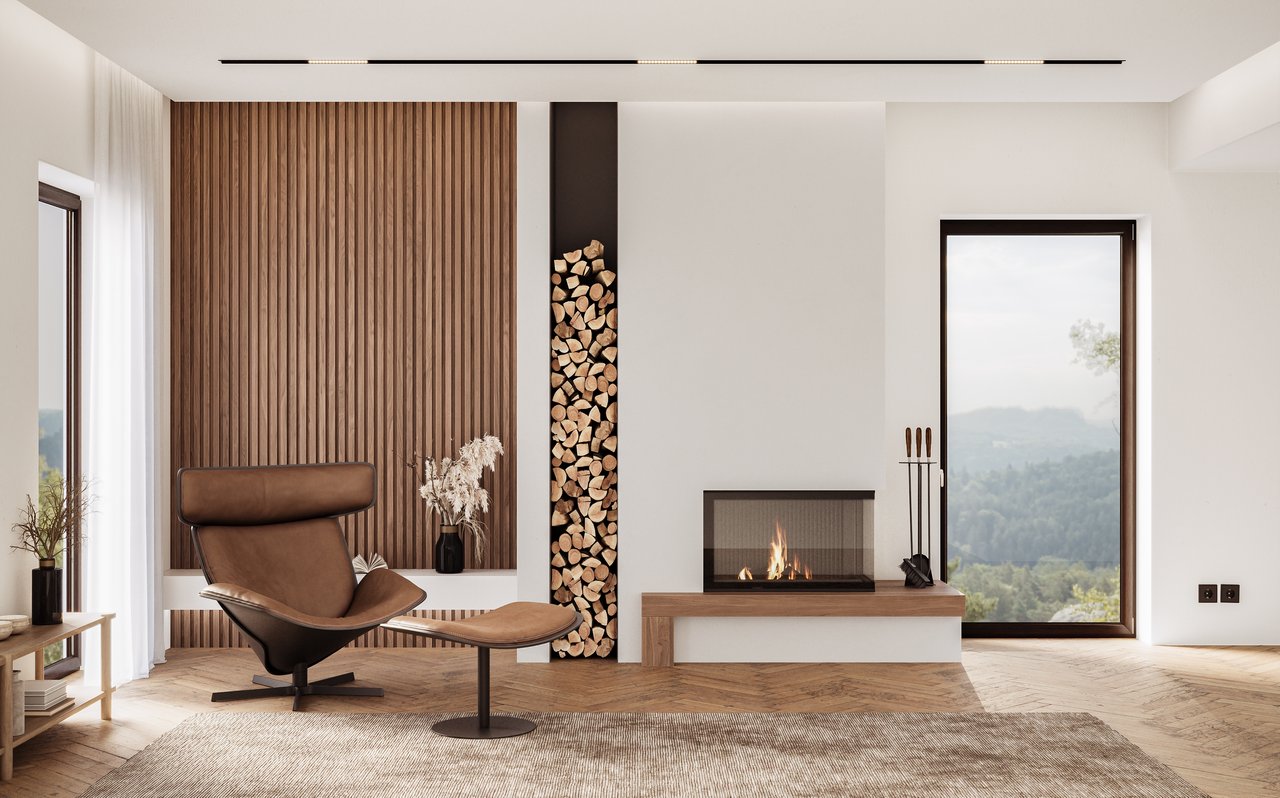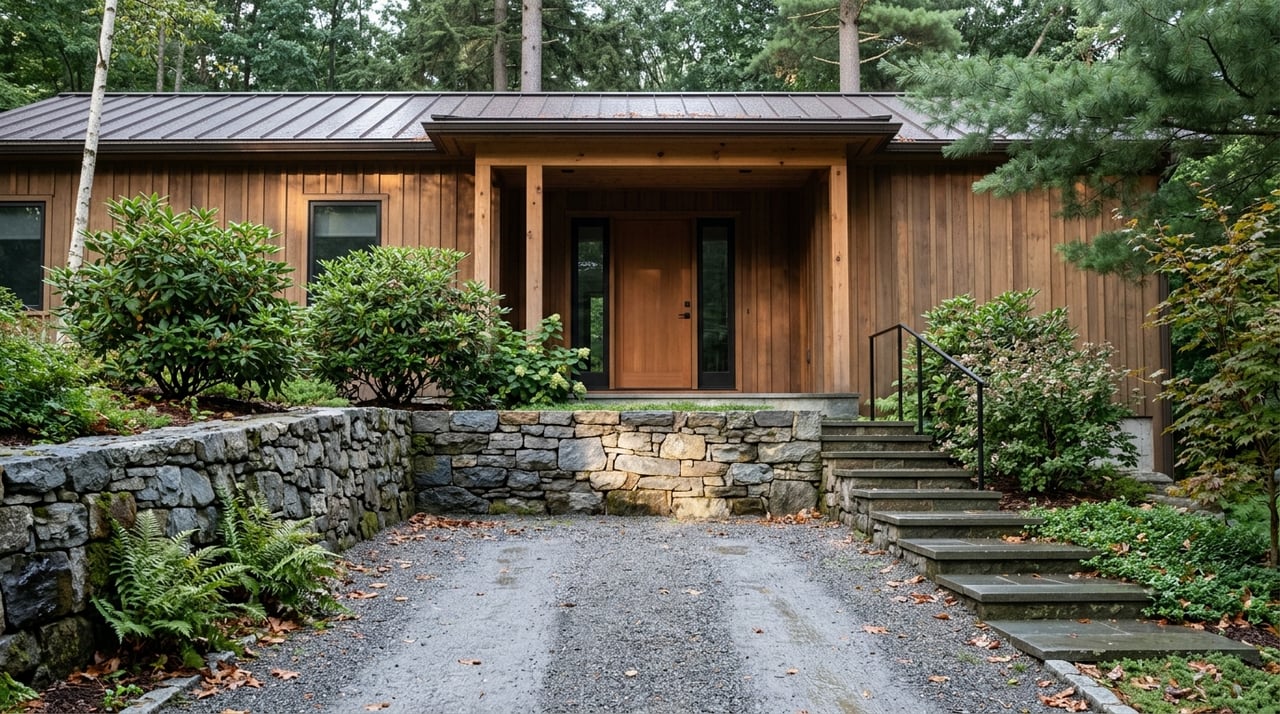
If you are thinking about buying in Highlands, one question can shape your entire search: do you want to be close to Main Street, or do you want a more private mountain setting? Both options can be a great fit, but they offer very different day-to-day experiences. If you understand how location affects convenience, lot size, access, utilities, and upkeep, you can narrow your search with a lot more confidence. Let’s dive in.
Highlands Lifestyle Starts With Location
In Highlands, the choice between in-town and mountain homes is really a choice about how you want to live. The town describes its downtown core as a center of social interaction, with shops, restaurants, and a pedestrian-friendly streetscape designed to invite people to gather and explore.
That matters because an in-town home can put you close to dining, events, and everyday outings with very little effort. If you picture yourself walking or taking a short drive to Main Street, that convenience is a major part of the appeal.
A mountain home usually offers a different kind of value. Instead of immediate access to downtown, you are more likely to get extra separation, more privacy, and a quieter setting that feels tucked into the landscape.
What In-Town Living Feels Like
If your goal is easy access, in-town Highlands is hard to ignore. The downtown area is built around a long-standing commercial core, and the town continues to support that walkable, pedestrian-oriented feel.
The local calendar adds to that lifestyle. Highlands regularly features live performances, gallery openings, seasonal festivals, culinary events, lectures, and other community gatherings centered around town.
For many buyers, that means an in-town property is less about square footage and more about being part of the rhythm of Highlands. You may trade a larger lot for the ability to enjoy Main Street without planning your whole day around a drive.
What Mountain Living Feels Like
Mountain homes around Highlands tend to offer a more private, spread-out experience. Current listings show properties on parcels around 0.92 acres, 4.11 acres, 5.49 acres, 10 acres, and even 17.77 acres, which is a very different setup from a compact downtown condo.
That extra space can change how the property lives. You may have more room for views, outdoor living, parking, or simply breathing room from nearby homes.
If you are looking for a retreat feel, a mountain property often fits better. It can feel quieter and more self-contained, which is a big reason many second-home and out-of-area buyers are drawn to Highlands in the first place.
Lot Size And Housing Stock Differ A Lot
One of the clearest differences between in-town and mountain homes is the type of housing you will find. Highlands zoning reflects a compact town core, with residential minimum lot sizes of 0.75 acres in R-1 and 0.5 acres in R-2 and R-3, while parts of the B-1 business district allow residential density as tight as 2,400 square feet per unit.
That helps explain why downtown options often include condos or smaller-footprint homes. One current downtown condo listing at 510 5th Street is priced at $575,000 and sits on an 871-square-foot lot, while another downtown condo listing notes a walking path directly to Main Street.
Outside town, the inventory shifts. Mountain-oriented homes are more likely to sit on larger parcels, and pricing can range from the high $700,000s to several million dollars depending on the view, finish, and setting.
Highlands Is A High-Price Market
No matter which path you choose, Highlands is an expensive mountain market by several current measures. Redfin reports a median sale price of $1,888,196 for the three months ending May 2026.
Zillow reports an average home value of $1,064,897 as of May 31, 2026. Realtor.com market snapshots place the median listing price around $997,000 to $999,000.
The exact number changes by source and methodology, but the overall story is consistent. Highlands is a premium market, so choosing the right location and property type matters even more.
Roads And Weather Matter More In Mountain Settings
In Highlands, access is not a small detail. NOAA data from the Highlands station at 3,850 feet shows 88.28 inches of annual precipitation and 10.2 inches of annual snowfall based on 1991 to 2020 normals.
Snowfall is most concentrated in December, January, February, and March. NCDOT also warns that winter driving can be dangerous during and after rain, ice, or snow, including black ice.
That does not mean mountain homes are a bad idea. It simply means you should pay close attention to the road type, driveway steepness, and how easy the property is to reach in changing weather.
In-town homes may reduce some of those concerns because access is often more straightforward. A mountain property may require a little more planning, especially if you will use it seasonally or arrive after storms.
Utilities Can Change From Property To Property
One of the biggest practical differences in Highlands is utility service. The town provides electric, water, garbage, and sewer services in some residential areas, but sewer is only available in certain parts of town.
That means you cannot assume two properties will function the same way, even if they are both in Highlands. Some homes may connect to town services, while others may depend on septic or other approvals handled through Macon County Environmental Health.
This is especially important for buyers looking at homes farther from the easiest parts of town. If you are comparing an in-town condo to a mountain home on acreage, the utility setup can be just as important as the view.
Seasonal Ownership Has Extra Considerations
If you plan to use your Highlands property part-time, there are a few details worth keeping front and center. The town notes that minimum utility charges apply year-round regardless of usage.
That can matter if you are buying a second home and expect long stretches with little or no occupancy. Highlands also recommends winterizing seasonal homes to help reduce the risk of frozen or burst pipes.
For many out-of-area buyers, this is where practical planning makes a big difference. A beautiful mountain home can still be the right fit, but you want to know what off-season ownership really looks like before you commit.
Permitting And Site Rules Deserve Attention
If you are planning to build, remodel, add parking, or change a driveway, location affects that process too. The Town of Highlands requires a zoning certificate before construction or remodeling.
The town says site plans must show lot size, building location, setbacks, parking areas, and driveways. It also ties grading and new driveways to a land disturbance permit.
Another key point is that most of Highlands sits in a water supply watershed. The town notes that impervious-surface and buffer limits may apply, which can affect additions, patios, parking areas, or accessory structures.
For mountain parcels, these details can become more important simply because the site may be less straightforward. If you are buying with future plans in mind, it helps to ask those questions early.
A Simple Way To Choose
If you want the easiest access to restaurants, shops, events, and a pedestrian-friendly downtown atmosphere, in-town Highlands is usually the better fit. It supports a more immediate, low-hassle connection to the social side of town.
If you want acreage, privacy, and a setting that feels more like a retreat, a mountain home is often the stronger match. You may give up some convenience, but you gain space and a different kind of everyday experience.
Neither option is automatically better. The right choice depends on whether you value Main Street convenience or mountain privacy more.
Questions To Ask Before You Decide
When you compare in-town and mountain homes in Highlands, a few questions can quickly bring clarity:
- Is the road public, private, or shared?
- How steep is the driveway, and how will it feel in wet or winter conditions?
- Is the property on sewer, or will septic and private-well approvals matter?
- Do watershed rules or built-upon-area limits affect future plans for the property?
- What year-round utility minimums apply if the home will be seasonal?
- Does your day-to-day vision involve walking to town, or getting away from it?
Those answers often tell you more than the listing photos do.
Buying in Highlands should feel exciting, not overwhelming. Whether you are drawn to a condo near Main Street or a mountain home with space to spread out, the key is matching the property to the way you actually want to live. If you want calm, local guidance as you compare options in Highlands and across Western North Carolina, connect with Matt Jackson.
FAQs
What is the main difference between in-town and mountain homes in Highlands, NC?
- In-town homes are usually about convenience and easier access to Main Street shops, restaurants, and events, while mountain homes are more often about privacy, acreage, and a quieter setting.
Are in-town homes in Highlands usually smaller than mountain homes?
- Often, yes. The compact town core and current downtown condo listings show smaller-footprint options, while mountain listings more commonly include larger lots and more spread-out settings.
Do mountain homes in Highlands have more weather-related access issues?
- They can. Highlands sees significant annual precipitation and some snowfall, and NCDOT warns about winter hazards like ice and black ice, so roads and driveways deserve close attention.
Is sewer available for every home in Highlands, NC?
- No. The Town of Highlands says sewer service is only available in certain parts of town, so some properties may need septic review and approvals through Macon County Environmental Health.
Why do watershed rules matter when buying a Highlands property?
- Most of Highlands is in a water supply watershed, and that can affect impervious-surface limits, buffers, and what you may be able to add or change on the property later.
Is Highlands, NC considered an expensive real estate market?
- Yes. Current market snapshots from multiple sources all point to Highlands as a high-price mountain market, even though the exact figures vary by methodology.